Giving Has Always Been Emotional
At its core, giving is not about money. It is about emotion. Appreciation, empathy, connection, and a sense of shared humanity drive people to give. Long before digital wallets or payment systems existed, people expressed gratitude in the simplest ways they could.
What has changed is not the desire to give, but the environment in which giving happens. As cash becomes less common, the psychology behind generosity is adapting. The way people act on generous impulses is being reshaped by convenience, trust, and immediacy.
In a cashless world, giving still comes from the heart. The difference is how quickly people can act on that feeling, based on their convenience.
The Moment Matters More Than the Method
Psychologists often talk about the importance of timing in human behavior. Generosity is strongest in the moment it is felt.
When giving requires extra steps, such as finding cash, counting change, or filling out forms, the emotional impulse fades. The brain moves on. The moment passes.
Cashless systems remove that delay. They allow people to act immediately, while the emotion is still present. This immediacy plays a powerful role in increasing both the frequency and consistency of giving.
The easier it is to act, the more likely people are to follow through.
Why Friction Reduces Generosity
Friction is one of the biggest psychological barriers to giving. Even small obstacles can discourage action.
Common friction points include:
- Not carrying cash
- Uncertainty about how to give
- Fear of making a mistake
- Lack of trust in the method
- Too many steps in the process
In a cashless world, successful giving experiences are designed to remove these barriers. When friction disappears, generosity feels natural instead of effortful.
People do not become more generous. They simply become less constrained.
Trust Shapes Willingness to Give
Trust is central to the psychology of giving. People need confidence that their contribution is going to the right place and that their action is safe.
This is why familiar behaviors matter. Tapping a phone feels safe because people already associate that action with trusted environments like retail and transit.
Methods that feel uncertain, confusing, or easily manipulated introduce hesitation. When people hesitate, they often choose not to act at all.
Trust does not just protect the transaction. It protects the emotional decision to give.
Why Simplicity Encourages Participation
Human behavior favors simplicity. When a task feels easy, the brain categorizes it as low risk and low effort.
Cashless giving works best when it aligns with habits people already have. A simple tap, a familiar confirmation screen, and a clear result create confidence.
There is no learning curve.
There is no pressure.
There is no interruption to the moment.
This simplicity encourages participation from people who might otherwise stay on the sidelines.
Giving Without Borders
Another psychological shift in a cashless world is inclusivity. Cash has always been local. It varies by country, currency, and familiarity. Cash has also been a means of financial exclusion, keeping people from credits and other financial benefits.
Cashless systems remove those boundaries. People from different countries can give in the same way, without worrying about exchange rates or carrying the right bills.
This global accessibility changes how people experience generosity. It becomes a shared behavior rather than a localized one.
Giving feels universal instead of transactional.
The Role of Visibility and Social Norms
People are influenced by what they see others do. When giving is visible and normalized, participation increases.
Cashless systems often make giving more visible without being intrusive. A simple tap action signals participation without requiring explanation. Over time, this builds social norms around generosity.
When people see that giving is easy and common, they are more likely to join in.
Where Mahalo Fits Into This Behavioral Shift
Mahalo was designed with these psychological principles in mind. The goal was not to digitize giving for the sake of technology, but to preserve the emotional core of generosity while removing barriers.
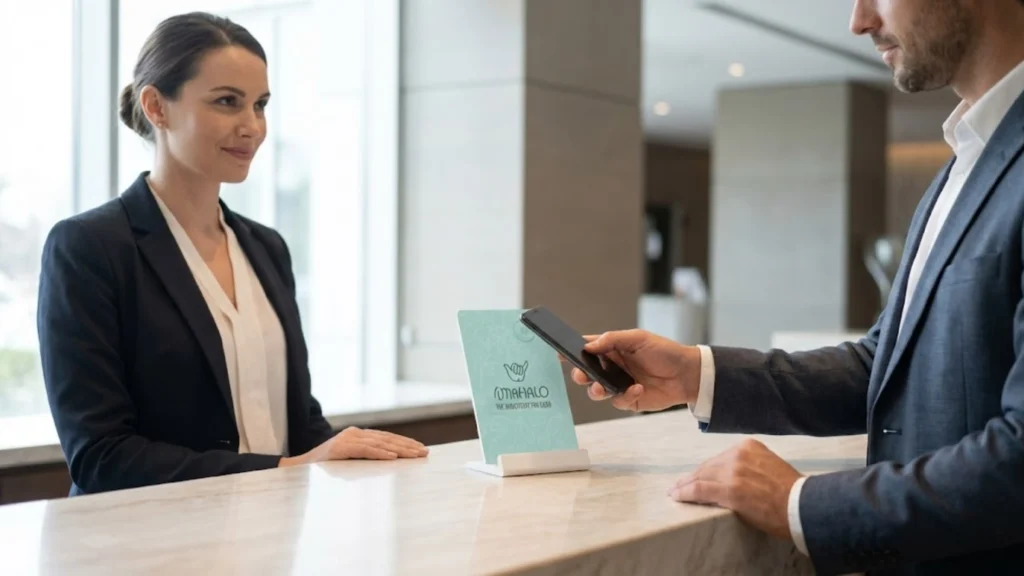
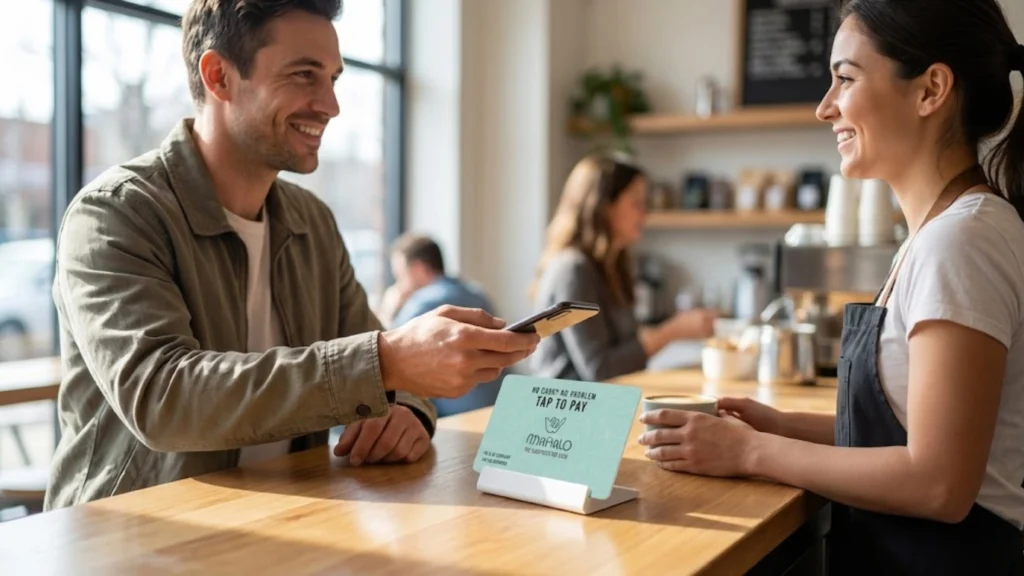
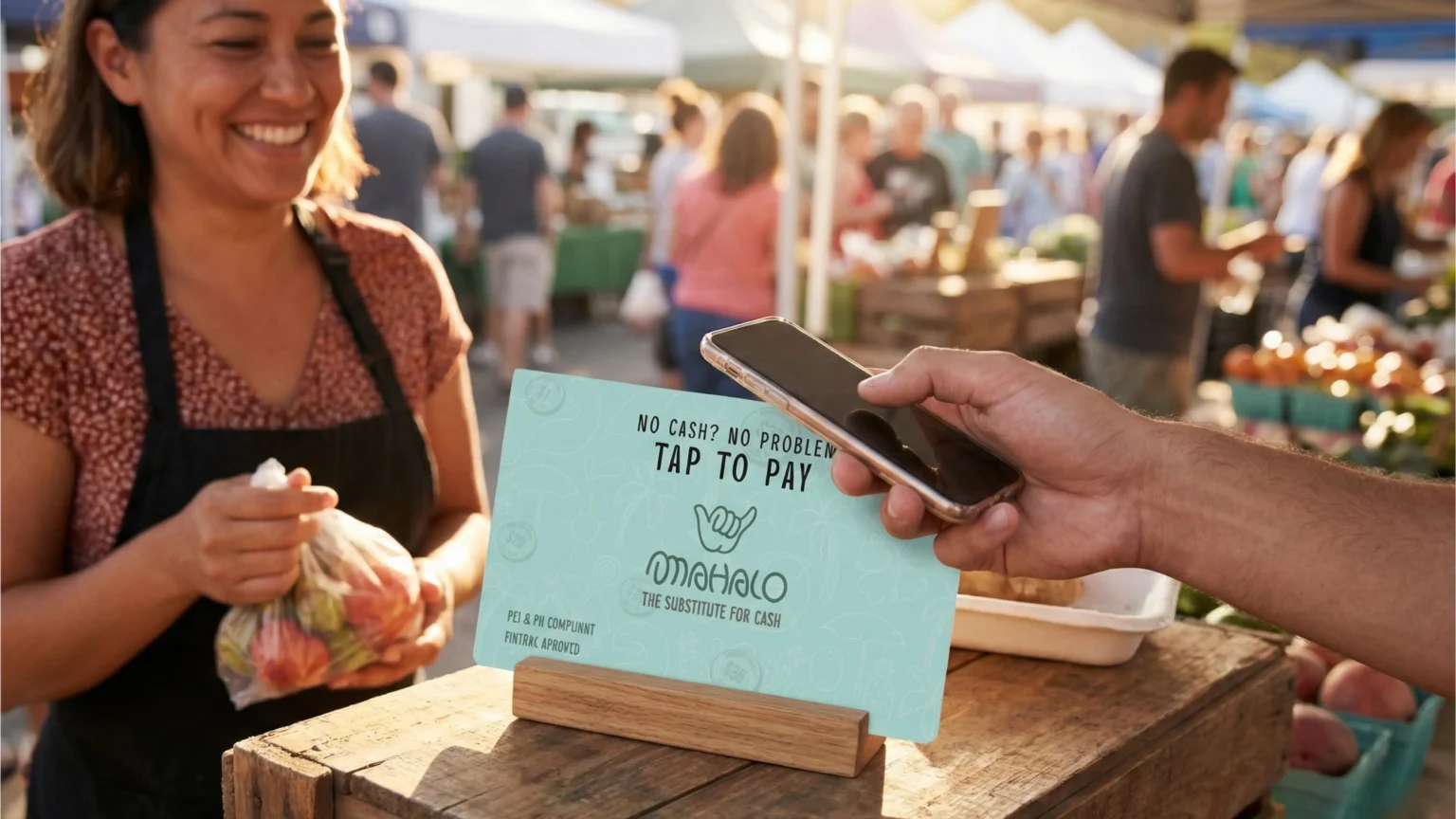
By enabling simple, app-free, NFC-based interactions through Mahalo Cards and Stickers, the system allows people to act on generosity when they feel it.
As a FINTRAC approved cashless payment platform, Mahalo also reinforces trust, which is essential for emotional decision-making. When people feel safe, they give with confidence.
The technology stays quiet. The human moment stays loud.
Small Changes, Lasting Impact
The psychology of giving in a cashless world shows that behavior does not need to be forced. It needs to be supported.
When systems respect human instincts and emotional timing, generosity becomes more frequent and more inclusive. Small moments of giving add up, shaping communities, events, and everyday interactions.
Cashless payments are not changing why people give. They are changing whether people can act on that feeling when it matters most.
Frequently Asked Questions
Does going cashless reduce generosity?
No. In many cases, it increases generosity by removing barriers that prevent people from acting on their intentions.
Why do people give more when it is easy?
Because ease reduces hesitation. When the action feels simple and safe, people are more likely to follow through.
Is trust important in cashless giving?
Yes. Trust plays a major role in whether people feel comfortable giving. Familiar and secure methods encourage participation.
Does cashless giving work for international audiences?
Yes. Cashless systems allow people from different countries to give without worrying about currency or local payment methods.
Is technology replacing the human side of giving?
No. When designed well, technology supports generosity rather than replacing it. It allows human emotions to be expressed more easily.
Giving, Simplified
In a world moving quickly toward digital payments, the psychology of giving reminds us that generosity is deeply human. The systems that succeed are the ones that honor that truth.
By removing friction and building trust, cashless platforms allow people to give when it matters most, in the moment, without distraction.
Learn more about how Mahalo supports simple, human-first giving and explore how generosity is evolving in a cashless world.