When Money Stops Getting in the Way
For most of modern history, money shaped how people interacted with one another. You needed the right amount. You needed change. You needed a wallet. If you didn’t have cash, the moment passed.
Today, that barrier is disappearing.
Cashless payments are no longer just a financial upgrade. They are quietly changing how people connect, express appreciation, and act in the moment. What once required planning now happens naturally, often without a second thought.
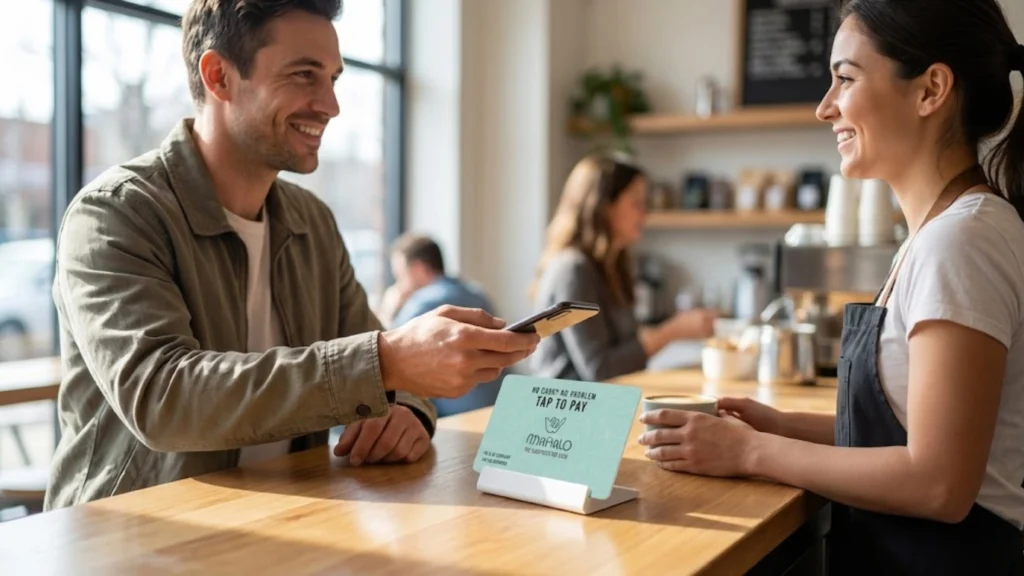
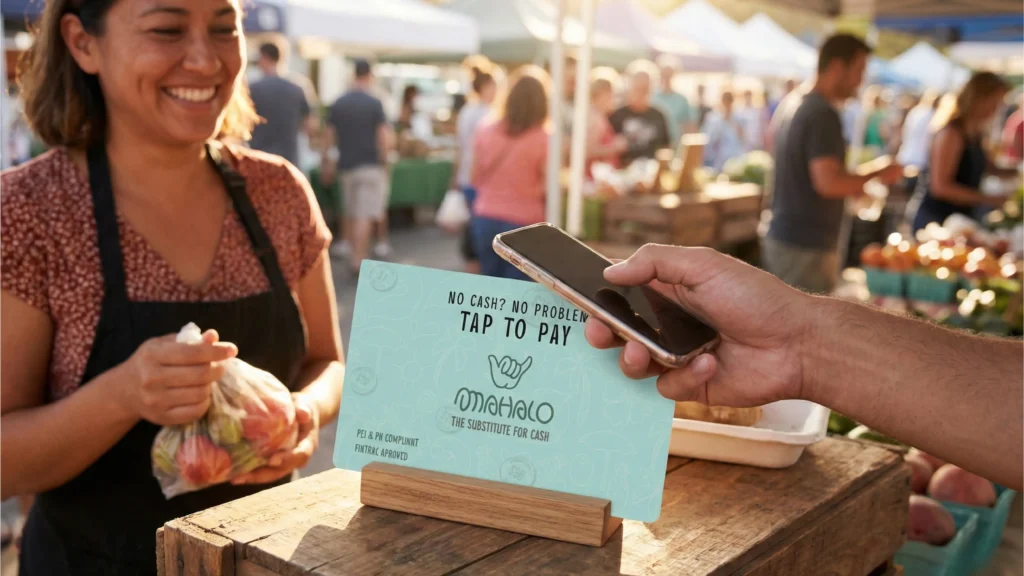
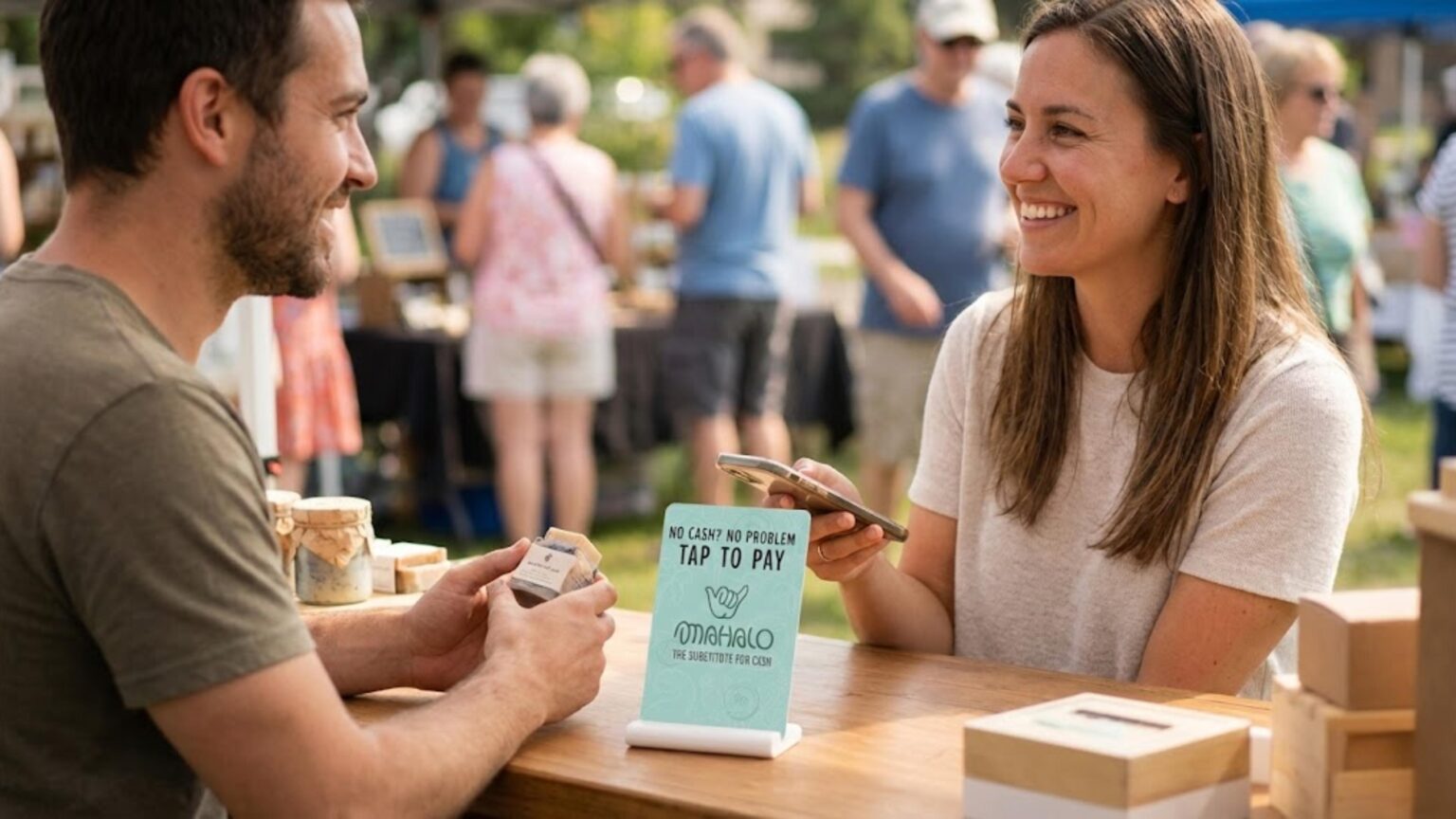
A phone tap replaces a pause.
A gesture replaces hesitation.
An interaction flows without interruption.
From Transaction to Interaction
Cash has always been physical, but it was also limiting. It introduced friction into moments that were meant to be simple. Paying someone, donating, or contributing often required preparation rather than intent.
Cashless payments flip that dynamic.
Now, people act on instinct.
If they want to support someone, they can.
If they want to give, they do.
The technology fades into the background, allowing the human moment to take center stage. The exchange feels less like a transaction and more like a shared interaction.
Why Simplicity Changes Behavior
One of the most important shifts in cashless payments is how simplicity influences behavior. When something is easy, people do it more often.
Removing steps removes doubt.
Removing effort removes friction.
This is why contactless payments have spread so quickly across everyday life. People already tap to enter transit systems, pay at stores, and unlock devices. Extending that same action to everyday interactions feels natural.
When paying becomes effortless, generosity becomes more frequent.
Trust Is Built Into the Experience
Human interactions rely on trust. Cashless systems succeed when they feel safe and familiar.
This is one reason NFC based payments have gained widespread acceptance. The action of tapping a phone is already associated with trusted environments like retail and transportation. That familiarity carries over into other interactions.
Compared to methods like QR codes, NFC feels more secure and intentional. There is physical proximity. There is no scanning uncertainty. The action is deliberate and controlled.
Trust allows people to act without second guessing.
Everyday Moments, Reimagined
Cashless payments are reshaping small, everyday moments in ways that are easy to overlook but powerful in impact.
A passerby supports a street performer without stopping to search for cash.
A guest expresses appreciation instantly, even while checking out.
A community member donates during an event without filling out forms or waiting in line.
These moments used to depend on circumstance. Now they depend only on intent.
Global Interactions Without Barriers
Another important change is how cashless payments remove geographic and cultural barriers.
Cash varies by country.
Currency creates friction.
Conversion creates hesitation.
Cashless systems eliminate all three.
When someone can pay using the same familiar action anywhere in the world, interactions become more inclusive. A visitor from another country can participate just as easily as a local. The moment doesn’t require explanation or adjustment.
Human connection becomes universal.
The Role of App-Free Experiences
Technology often adds complexity. Too many apps. Too many steps. Too many accounts.
The most impactful cashless systems do the opposite. They reduce choice, simplify action, and stay out of the way.
App-free payment experiences work because they respect attention. They allow people to stay present in the interaction rather than switching context to manage technology.
This presence is what keeps the interaction human.
Where Mahalo Fits Into This Shift
Mahalo was built around this exact idea. That technology should support human interaction, not interrupt it.
By using simple NFC based cards and stickers, Mahalo allows people to act on moments of appreciation or support without apps, hardware, or explanations. A phone tap completes the interaction.
As a FINTRAC approved cashless payment platform, Mahalo also brings structure and trust to these moments, ensuring that simplicity does not come at the cost of security or compliance.
The result is a system that feels invisible when it works, which is exactly how good technology should feel.
The Emotional Impact of Frictionless Giving
When people can act on generosity instantly, the emotional payoff is immediate.
There is no regret of a missed opportunity.
No thought of “next time.”
No disruption to the moment.
This immediacy strengthens the emotional connection between people. Gratitude is expressed when it is felt, not delayed until it is forgotten.
Over time, these small moments add up. They shape how people experience public spaces, events, hospitality, and community life.
A Subtle but Lasting Change
Cashless payments are not changing human behavior by force. They are changing it by removing obstacles.
When obstacles disappear, natural behavior emerges.
People give more freely.
People interact more openly.
People stay present.
The future of payments is not about speed or scale alone. It is about preserving the human side of everyday interactions in a world that is moving faster.
Cashless systems that respect this balance will shape how we connect for years to come.
Frequently Asked Questions
What are cashless payments?
Cashless payments allow people to pay, give, or contribute using digital methods such as mobile wallets instead of physical cash. These payments usually happen through a simple phone tap or contactless interaction.
How do cashless payments change everyday interactions?
They remove friction. People no longer need to plan ahead or carry cash, which makes it easier to act on gratitude, support others, or complete small payments in the moment.
Are cashless payments safe to use in public spaces?
Yes. When powered by NFC technology, cashless payments are secure and reliable. NFC is safer than QR codes because it cannot be easily altered or replaced and requires close physical proximity to work.
Do cashless payments work for international visitors?
Yes. Most cashless payment systems support mobile wallets used globally, allowing people from different countries to pay or contribute without worrying about currency.
Do cashless payments require downloading an app?
Not always. Many modern systems, including NFC-based solutions, allow people to pay using the mobile wallet already on their phone, without installing anything new.
Why are people using cash less today?
Cash is less convenient in a digital-first world. People prefer faster, cleaner, and more reliable ways to pay that fit naturally into how they already use their phones. Since most people don’t carry cash, dealing with cash limits the transactions for the payor and receiver.
Looking Ahead
As cash continues to fade from daily life, the systems that replace it will influence more than commerce. They will influence culture.
Cash is also a financial exclusion for many people who don’t have access to credit. The best cashless experiences will be the ones people barely notice, because the focus remains on the interaction, not the method.
When payments become invisible, human connection becomes visible again.
Learn more about how Mahalo supports simple, human-first cashless interactions and explore how everyday moments are becoming easier, faster, and more connected.