Friction Is the Silent Experience Killer
Friction does not always announce itself. It shows up as hesitation, confusion, or a pause that breaks the flow of an interaction. In guest and customer experiences, these small moments matter.
Searching for cash.
Waiting for a terminal.
Downloading an app.
Scanning a code that does not work.
Each step adds resistance. And resistance changes behavior.
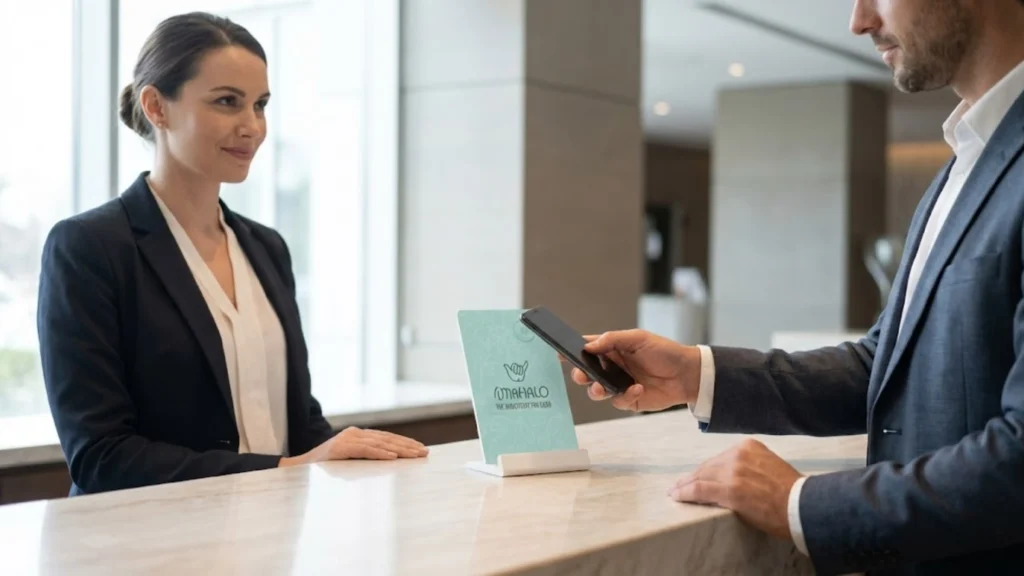
Contactless payments reduce this friction by simplifying how people act in the moment. They allow interactions to stay smooth, fast, and human.
What Friction Looks Like in Everyday Interactions
Friction often appears in subtle ways. A guest wants to express appreciation but does not have cash. A customer wants to complete a quick payment but is asked to follow multiple steps. A visitor hesitates because the process feels unfamiliar or unreliable.
These moments may seem small, but they shape perception. When payment becomes complicated, the experience feels interrupted. People remember the pause more than the gesture.
Reducing friction means removing anything that forces people to stop and think unnecessarily.
Why Contactless Payments Feel Natural
Contactless payments align with habits people already have. Tapping a phone is now second nature. People use it to pay at stores, access transit, and verify identity.
Because the action is familiar, it feels safe and effortless. There is no learning curve and no sense of risk. The payment happens in the background while the interaction remains front and center.
This familiarity is one of the strongest reasons contactless payments reduce friction so effectively.
Fewer Steps, More Participation
Every extra step in a process increases the chance that someone will disengage. Contactless payments succeed because they reduce steps to the absolute minimum.
There is no need to open a camera.
There is no need to type information.
There is no need to download or register.
A single tap completes the action.
When the process feels this simple, people participate more often. They act on impulse rather than intention alone.
Trust Is Part of Friction Reduction
Trust and friction are closely connected. When people trust a system, they move through it quickly. When they do not, they hesitate.
Contactless payments built on NFC technology feel trustworthy because they are consistent and familiar. NFC requires close physical proximity, which reassures users that the action is intentional and controlled.
Compared to methods like QR codes, which can be altered or misdirected, NFC provides a clearer sense of safety. This trust reduces hesitation and keeps the experience smooth.
Works Across Cultures and Countries
Friction increases when people are unsure how something works in a new environment. Cashless systems reduce this problem by creating a shared experience.
Contactless payments work the same way regardless of country. Visitors do not need to learn new rules or worry about currency. They simply tap their phone and continue.
This consistency makes contactless payments ideal for environments that serve international guests and diverse audiences.
App-Free Experiences Keep People Present
Technology can sometimes pull attention away from the moment. App-free contactless payments avoid this problem.
When people do not need to switch context, download software, or manage accounts, they stay present in the interaction. The focus remains on the experience, not the process.
This presence strengthens the emotional quality of the interaction and leaves a more positive impression.
Where Mahalo Fits Into Frictionless Experiences
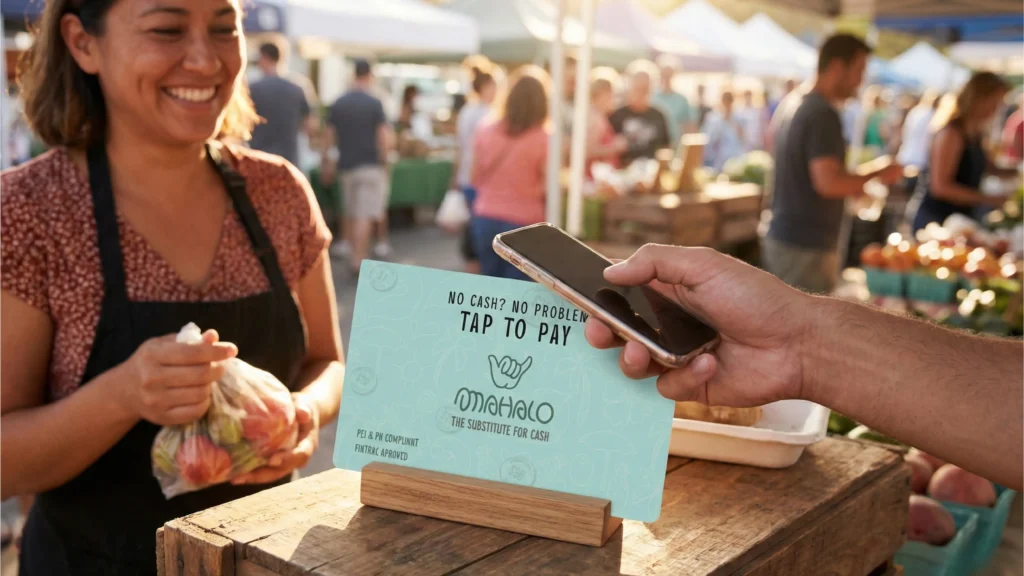
Mahalo was built to support interactions without adding complexity. Using NFC based Mahalo Cards and Stickers, people can complete payments with a simple tap.
There is no app required for the guest or customer. The process works through familiar mobile wallets and completes instantly.
As a FINTRAC approved cashless payment platform, Mahalo also ensures that simplicity does not compromise trust or security. The technology supports the experience without demanding attention.
Small Changes That Make a Big Difference
Reducing friction does not require dramatic transformation. It requires thoughtful design.
When payment becomes invisible, interactions become smoother. Guests feel more comfortable. Customers feel more confident. The experience feels modern without feeling complicated.
Over time, these small improvements shape how people perceive a space, a service, or a brand.
Frequently Asked Questions
What does friction mean in customer experience?
Friction refers to anything that slows down or complicates an interaction, such as extra steps, confusion, or uncertainty.
Why do contactless payments reduce friction?
They simplify the process by reducing steps and using familiar actions like tapping a phone.
Are contactless payments safe for public use?
Yes. NFC based contactless payments are secure and designed to prevent tampering and misuse.
Do contactless payments work for international guests?
Yes. They work consistently across countries and currencies using mobile wallets.
Do contactless payments require an app?
No. Most contactless systems work through the phone’s built-in wallet, without additional downloads.
Simplicity Is the New Standard
As expectations continue to rise, people gravitate toward experiences that feel effortless. Contactless payments remove friction without removing meaning. They allow interactions to flow naturally, keeping the focus on people rather than process.
By embracing contactless technology, organizations can create smoother, more human experiences that meet modern expectations.
Learn how Mahalo supports frictionless, contactless payments and see how simplicity can transform everyday interactions.