Public Payments Need More Than Convenience
Public spaces demand trust. Whether someone is paying at an event, supporting a performer, contributing to a community cause, or completing a small on-the-spot payment, they need confidence that their action is safe.
As cash disappears, two methods have become common in public settings: QR codes and NFC payments. While both aim to make payments easier, they are not equal when it comes to security, reliability, and user confidence.
In 2026, NFC payments are increasingly viewed as the safer choice for public use. The reason is simple. NFC reduces risk by design, while QR codes rely on visibility and scanning accuracy that can easily be compromised.
How QR Codes Create Risk in Public Spaces
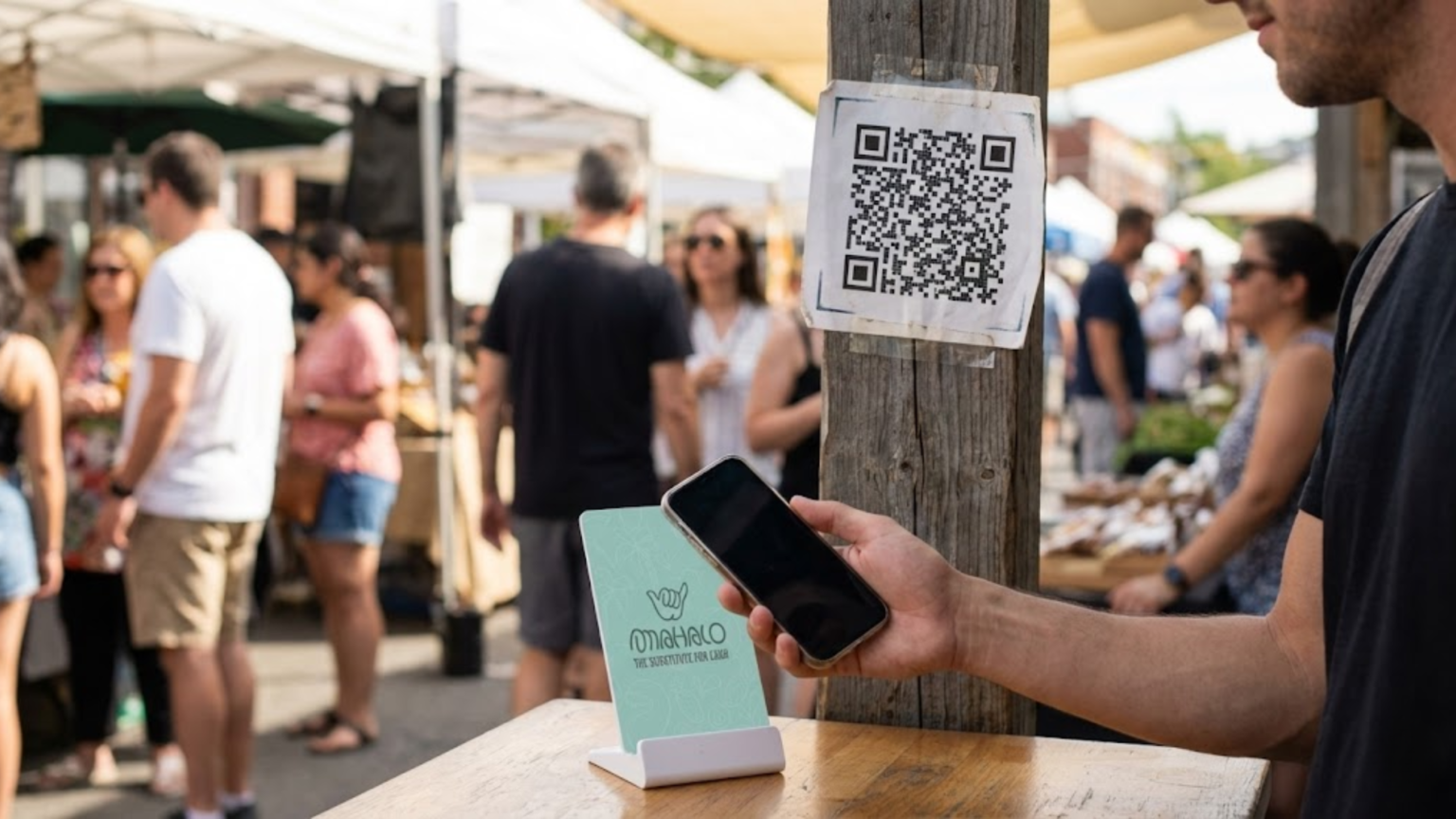
QR codes were popular because they were quick to deploy. Print a code, place it on a surface, and anyone can scan it. But that simplicity also creates weaknesses.
In public environments, QR codes can be:
- Covered or replaced without anyone noticing
- Redirected to fraudulent links
- Difficult to verify visually
- Dependent on lighting, camera focus, and phone positioning
- QR codes have become too common place that people tend to ignore them
These issues make QR codes vulnerable in places like streets, festivals, hotel lobbies, markets, and transit areas. A person scanning a code often has no way to confirm where it leads until it is too late.
This uncertainty erodes trust. And when trust drops, participation drops with it.
Why NFC Is Safer by Design
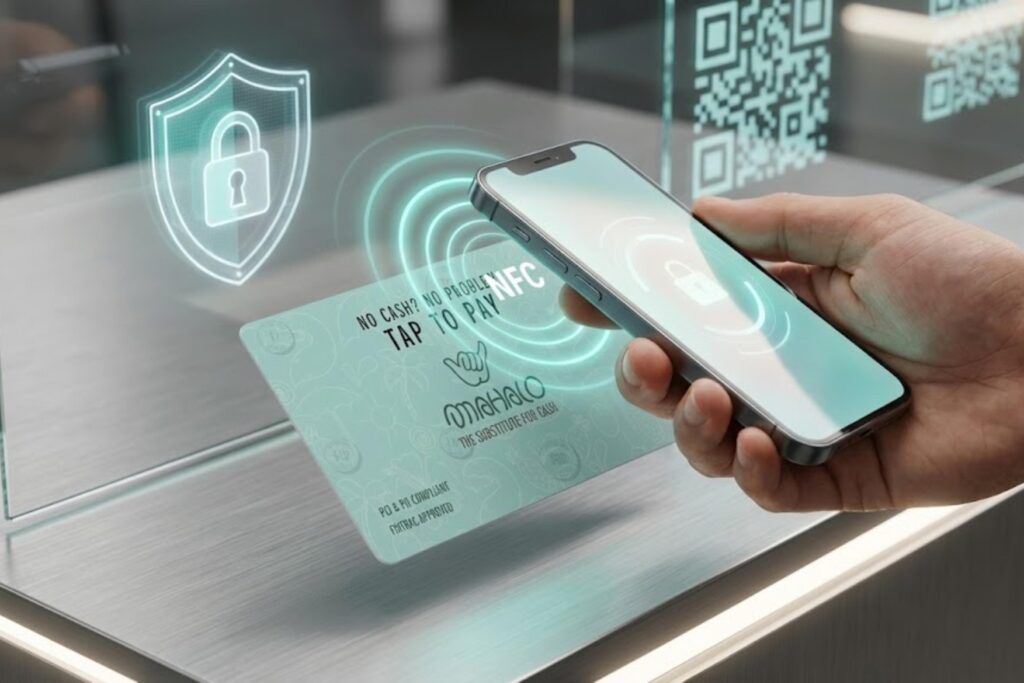
NFC, or Near Field Communication, works only when two devices are extremely close to each other. That physical proximity changes everything.
Here is why NFC payments are safer for public use.
NFC cannot be easily altered
NFC Cards and Stickers are encoded. They cannot be swapped or modified the way printed QR codes can. If someone tries to interfere, it is immediately noticeable.
This makes NFC far more secure in open environments where many people pass by.
NFC requires intentional action
A phone must be placed very close to the card or sticker for NFC to activate. This prevents accidental triggers and reduces the risk of hidden or distant interception.
The action feels deliberate, not accidental.
NFC avoids camera-based risks
QR payments require opening a camera, scanning an image, and trusting the link that appears. NFC removes that entire process. There is no scanning, no guessing, and no visual confusion.
The payment experience is faster and clearer.
NFC works consistently in all conditions
Poor lighting, rain, glare, cracked screens, or crowded environments can interfere with QR scanning. NFC works in all of these situations with a simple tap.
Reliability is a major reason NFC is preferred in public spaces.
Why People Trust NFC More
Trust comes from familiarity. People already use NFC every day to pay at grocery stores, transit gates, and retail counters. The tap-to-pay action feels normal and safe.
When that same action is used in public settings, it carries the same level of confidence. People know what tapping means. They understand the flow.
QR codes, by contrast, introduce hesitation. People stop to inspect them. They wonder if the code is legitimate. That moment of doubt is enough to stop the interaction.
NFC removes that doubt.
Public Use Cases Where NFC Makes the Biggest Difference
NFC payments are especially valuable in environments where speed, trust, and visibility matter.
- Outdoor events and festivals
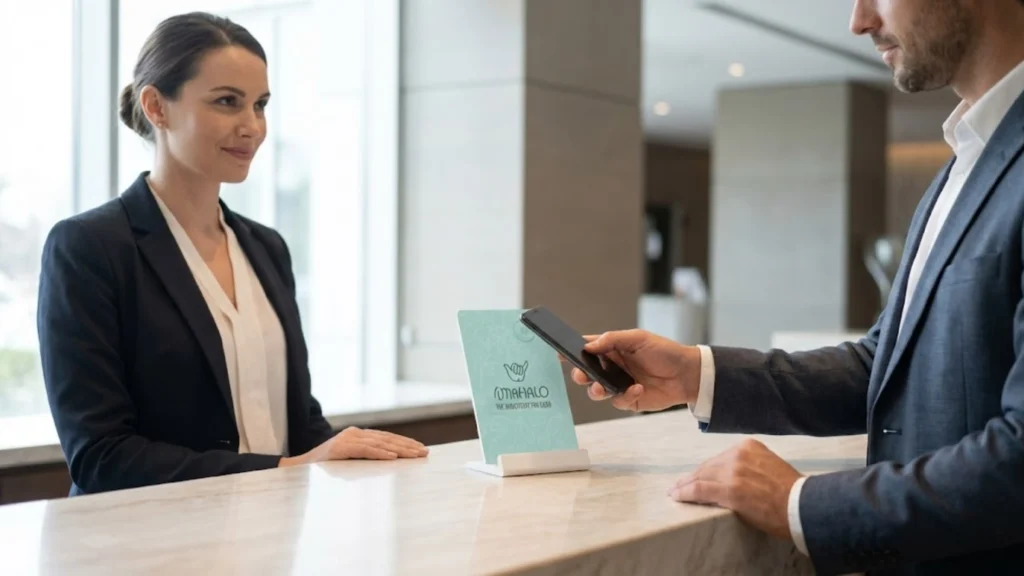
- Busy hotel lobbies and shared spaces
- Street performances and pop-up experiences
- Community fundraisers and public gatherings
- High-traffic areas with limited supervision
In all of these places, NFC provides a safer and smoother way for people to complete payments without slowing down or questioning the process.
Built for Global Participation
Another advantage of NFC is its global compatibility. Most modern smartphones support NFC, and mobile wallets are widely used across countries.
This allows people from anywhere in the world to participate without learning a new system, downloading an app, or worrying about currency.
Public spaces often bring together locals and visitors. NFC supports both equally.
Where Mahalo Fits In
Mahalo uses NFC through simple Cards and Stickers to enable app-free, secure payments in public and private environments. The system is designed to stay out of the way of the interaction while maintaining a high standard of security.
As a FINTRAC approved cashless payment platform, Mahalo combines regulatory trust with NFC reliability. This makes it suitable for environments where both simplicity and safety matter.
The technology supports human interaction rather than interrupting it.
Security Without Complexity
One of the most important lessons of modern payments is that security should not feel complicated. If people have to think too hard, they hesitate.
NFC works because it blends security into a familiar action. There are fewer steps, fewer decisions, and fewer opportunities for error.
That balance is why NFC is becoming the trusted choice for public use as QR codes gradually fall behind.
Frequently Asked Questions
Are NFC payments safer than QR codes?
Yes. NFC payments are safer because they require close physical proximity, cannot be easily altered, and do not rely on scanning links that could be tampered with.
Can QR codes be replaced or misused?
Yes. In public spaces, QR codes can be covered, replaced, or redirected without immediate detection, which increases the risk of fraud.
Do NFC payments work without an app?
Yes. NFC payments typically work through the mobile wallet already on a phone, without requiring users to download additional apps.
Are NFC payments suitable for public events?
Yes. NFC works reliably in crowded, outdoor, and high-traffic environments where QR codes often fail.
Can people from other countries use NFC payments?
Yes. NFC payments are widely supported across countries, making them ideal for public spaces with international visitors.
The Safer Standard for Public Payments
As public spaces continue to move away from cash, the choice of payment method matters more than ever. Security, reliability, and trust determine whether people participate at all.
NFC payments offer a safer, clearer, and more dependable experience than QR codes. They reduce risk without adding complexity and allow people to act confidently in the moment.
Learn more about how Mahalo supports secure NFC payments for public use and see why tap-based payments are becoming the trusted standard.